


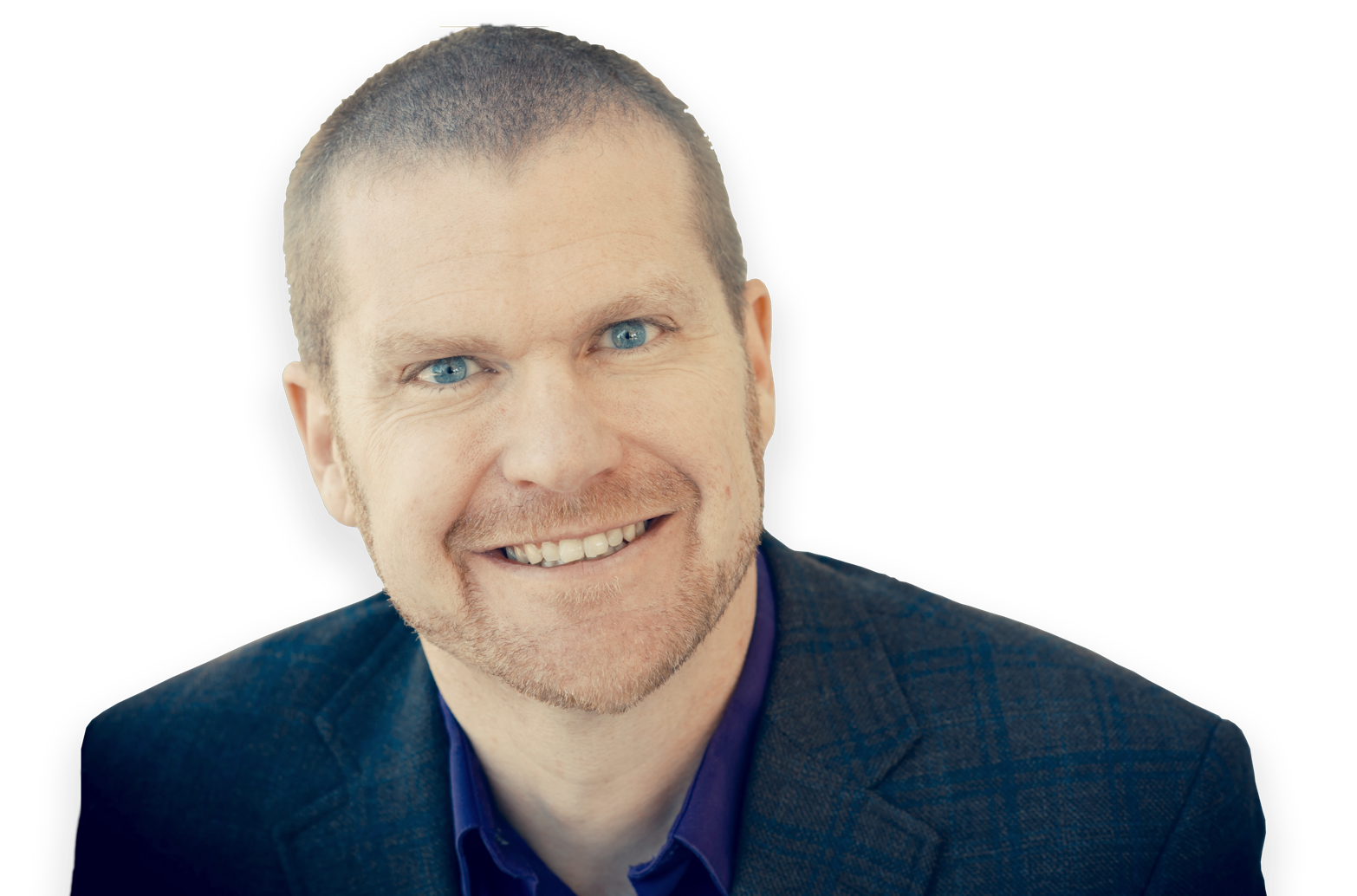
In Episode 23, Curt and Matt are joined by autism experts Dr. Douglas Goldsmith, Safia Keller, and Kristy Chambers for a fascinating discussion on trauma and autism. We examine the relationship between autism and trauma and how those with autism are at higher risk for bullying and other forms of trauma. Utilizing our combined experience and expertise, we also examine approaches to ensure safety and effective interventions for those dealing with both autism and trauma.
Watch the Video of this Episode!
Columbus Community Center’s website
Invisible Disabilities – Training for law enforcement encountering individuals with autism
Recent local news footage featuring one of our Board members and his son on the spectrum in training law enforcement to recognize and help those with autism.
Douglas Goldsmith – [email protected]
Safia Keller – [email protected]
Kristy Chambers – [email protected]
Trauma is devastating on so many levels. One of the most significant psychological wounds following traumatic events is feelings of shame and unworthiness. These powerful emotions haunt many for decades resulting in a variety of struggles and consequences. In this episode, Matt, Curt, and Jerry explore why shame and unworthiness often occur from traumatic experiences and how we can help others reestablish a sense of worth and esteem.
Discussion Questions
- What is shame and how have you seen in manifest in those we work?
- Why and how does trauma steal away someone’s positive view of one’s self?
- How can we help people reestablish a healthy sense of self-worth as part of the recovery and growth process?
Podcasters: Matt Bennett, Curt Mower, & Dr. Jerry Yager
In this episode, Matt, Curt, and Jerry examine how trauma affects how the brain processes information in the environment. A basic understanding of the brain helps us better understand the biological impact of trauma on thinking and behavior. Shining the trauma-informed lens on neurobiology helps us understand the needs of those we serve in a whole new light.
Discussion questions:
- How can you identify that someone is on the high long road?
- How can you identify that someone is on the low short road?
- How does this model help us conceptualize how trauma affects stimulus processes?
- How does this model inform our understanding of behaviors and thinking?
- How can we help those we work with understand their biology and work to heal it?
Learn more about this topic!
Blog Post: Biology of the Stress Response
Blog Post: Trauma’s Impact on the Stress Response

Understanding the biological effects of stress and trauma helps us to comprehend the reason behind certain behaviors and ways of thinking. In this podcast, Matt, Curt, and Jerry examine a simple analogy to help us understand the complexities of stress and trauma and assist us in teaching clients, students, and patients about their own stress response.
Discussion Questions:
- What impacts your clients’ ability to hold and manage stress?
- How you can use the cup analogy to talk about stress, trauma, window of tolerance, and the fight, flight, or freeze responses.
- How does the cup analogy informs how we structure programming?
- How do the concepts of trauma-informed care help you manage someone’s stress (overfilled cup)?
Watch the Video of this episode!
Podcaster Matt published a second book! As a follow-up to his first book Connecting Paradigms, Talking about Trauma & Change: A Connecting Paradigms’ Supplement provides analogies and models to help people understand the complexity of changing behavior and healing psychological trauma. In this podcast, Matt and Curt explore how helping people understand the effects of trauma and their neurobiology are important steps in the healing journey.
Discussion Questions:
- How can teaching someone about their neurobiology help them regulate emotions and gain insight to their behavior?
- How can understanding the science behind trauma help in someone’s healing process?
- What are some ways that you have successfully help people understand their neurobiology and the effects of trauma?
https://www.youtube.com/watch?v=XBRCVFI_4l0&feature=youtu.be
In Episode 18, Matt, Curt, and Jerry talk about the “dilemmas of power”. The most important social issues of our time have been related to the unequal distribution of power, the abuse, or misuse of power. At their core, traumatic experiences can be characterized by a feeling of powerlessness. Being Trauma-informed is one of the first steps towards recognizing the potential risks associated with unequal power within relationships. Becoming Trauma-Sensitive and Trauma-Responsive is when that knowledge and awareness leads to using any power we may have as a result of our positions to do good for others, to ensure that voices of the less powerful are heard and responded to in a caring, compassionate way.
Julie Beem and Melissa Sadin, organizers of the Creating Trauma-Sensitive Schools Conference, join Matt, Curt, and Jerry to explore the concept and importance of trauma-sensitive schools. Together with our guest, we explore the important role of schools in the trauma-informed movement and why the concept of trauma-sensitive schools is becoming very popular around the country.
The conference information can all be found at: www.creatingtraumasensitiveschools.org/conference
ATN’s main website is: www.attachtrauma.org
Happy 2018! At the beginning of a new year, Matt, Curt, and Jerry look into their crystal ball and consider the future of the trauma-informed paradigm and movement. Tune in and see what happens when three passionate nerds dream about the future!!
Repeated, chronic exposure to overwhelming stress, especially early in life leads to a variety of disruptions to the developing brain, the ability of a child to form healthy relationships, the body’s ability to organize and manage its responses to environmental events, and the brain’s ability to store, organize, and retrieve information in a consistent way. This combination of functional disruptions leaves individuals with thoughts and feelings that can be highly unpleasant. The people providing support and treatment to that individual are often dealing with the extreme behavior exhibited by that individual. The “5 R’s” (Relevant, Repetitive, Relational, Rewarding, Rhythmic) are a guide to thinking about the characteristics of a supportive environment necessary for recovery and healing to begin to take place.
Special Edition for Annual Homelessness Memorial Day in Collaboration with the National Health Care for the Homeless Council
We welcome special guest podcaster Dr. Barbara DiPietro, the Senior Director of Policy for the National Health Care for the Homeless Council, for a discussion on self-care in the face of the many issues facing us and those we serve. 2017 has seen many threats of funding cuts, repeal of Medicaid Expansion, numerous revelations of sexual assault and harassment, and a rise in explicit racism and bigotry. In this atmosphere, we continue to do our best to provide our clients, students, and patients the best services possible. In this episode, we will discuss some of the challenges to our own mental and physical health and some strategies to keep ourselves healthy and energized for the challenges in the coming year.
Collaborative Blog Post on Self-care: https://connectingparadigms.org/2017/12/self-care-struggle/
Our Homeless Persons’ Memorial Day page: https://www.nhchc.org/resources/consumer/homeless-persons-memorial-day/
Sign up for our action alert, the Mobilizer: https://www.nhchc.org/mobilizersignup/
The National HCH Council’s self-care resources (item #10): https://www.nhchc.org/resources/clinical/tools-and-support/core-competencies-for-the-hch-setting/
Become a National HCH Council individual member (free!): https://www.nhchc.org/about/membership/individual-members/individual-membership-application/